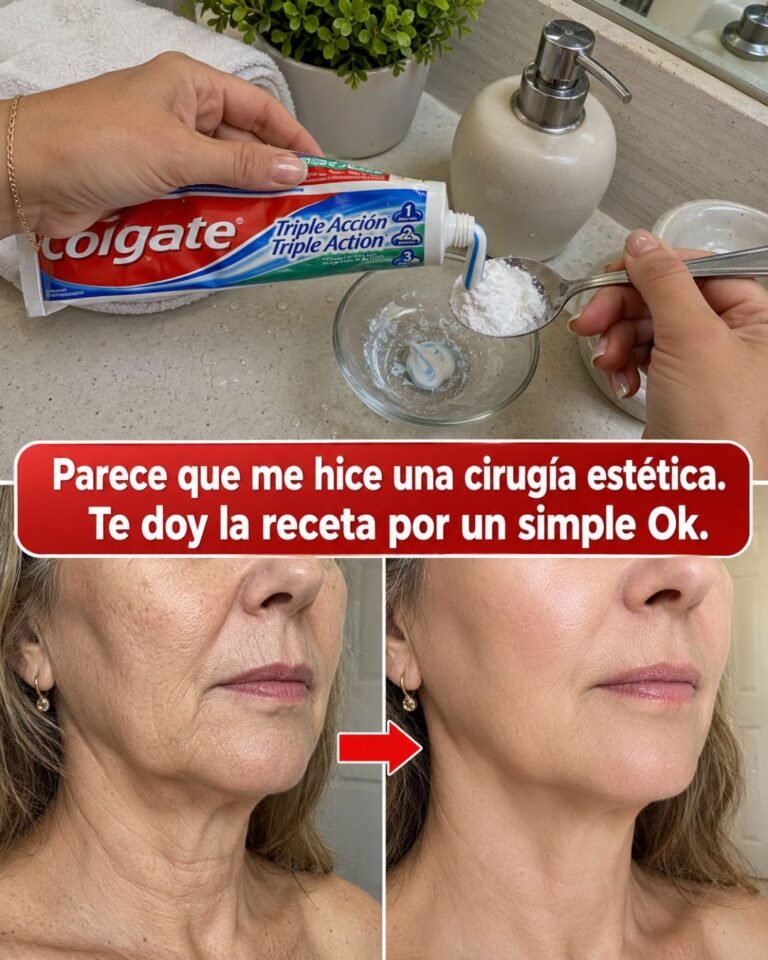

Baking Soda for Skin: Myths, Risks, and Scientific Facts
Daily use of baking soda on the face is highly discouraged. Its alkaline pH will chronically disrupt your skin’s acid mantle, leading to constant irritation, dryness, increased sensitivity, and a weakened skin barrier. This can make your skin more susceptible to breakouts, infections, and other adverse reactions.
What are safer, proven alternatives for exfoliation or brightening?
For exfoliation, consider gentle chemical exfoliants like alpha hydroxy acids (e.g., lactic acid, mandelic acid) or beta hydroxy acids (e.g., salicylic acid) in appropriate concentrations, or enzymatic peels. For brightening and hyperpigmentation, ingredients like Vitamin C, niacinamide, arbutin, or specific retinoids, used under professional guidance, are much safer and more effective.
Can baking soda make my skin more sensitive to the sun?
Yes. By compromising the skin’s natural barrier, baking soda can make your skin more vulnerable and sensitive to environmental aggressors, including sun exposure. A weakened barrier provides less protection against UV radiation, increasing the risk of sunburn, sun damage, and potentially exacerbating hyperpigmentation.
Conclusion: Prioritizing Science-Backed Skincare Over DIY Myths
Baking soda is an undeniable powerhouse in the kitchen and around the house, performing its duties as a leavening agent, cleaner, and odor neutralizer with scientific precision. However, when it comes to skincare, the narrative shifts dramatically.
Despite pervasive internet claims and compelling anecdotes, there is a distinct and alarming absence of scientific evidence to support the use of baking soda for specific skin concerns such as dark spots, wrinkles, undereye circles, or acne. Furthermore, its highly alkaline nature poses significant and well-documented risks, most notably the disruption of the skin’s vital protective barrier, leading to irritation, dryness, sensitivity, and potentially worsening existing conditions.
In the quest for healthy, radiant skin, an informed approach is paramount. Prioritize evidence-based practices, invest in products formulated to respect your skin’s delicate balance, and always seek the personalized guidance of a board-certified dermatologist. Your skin deserves care rooted in science, not speculation.