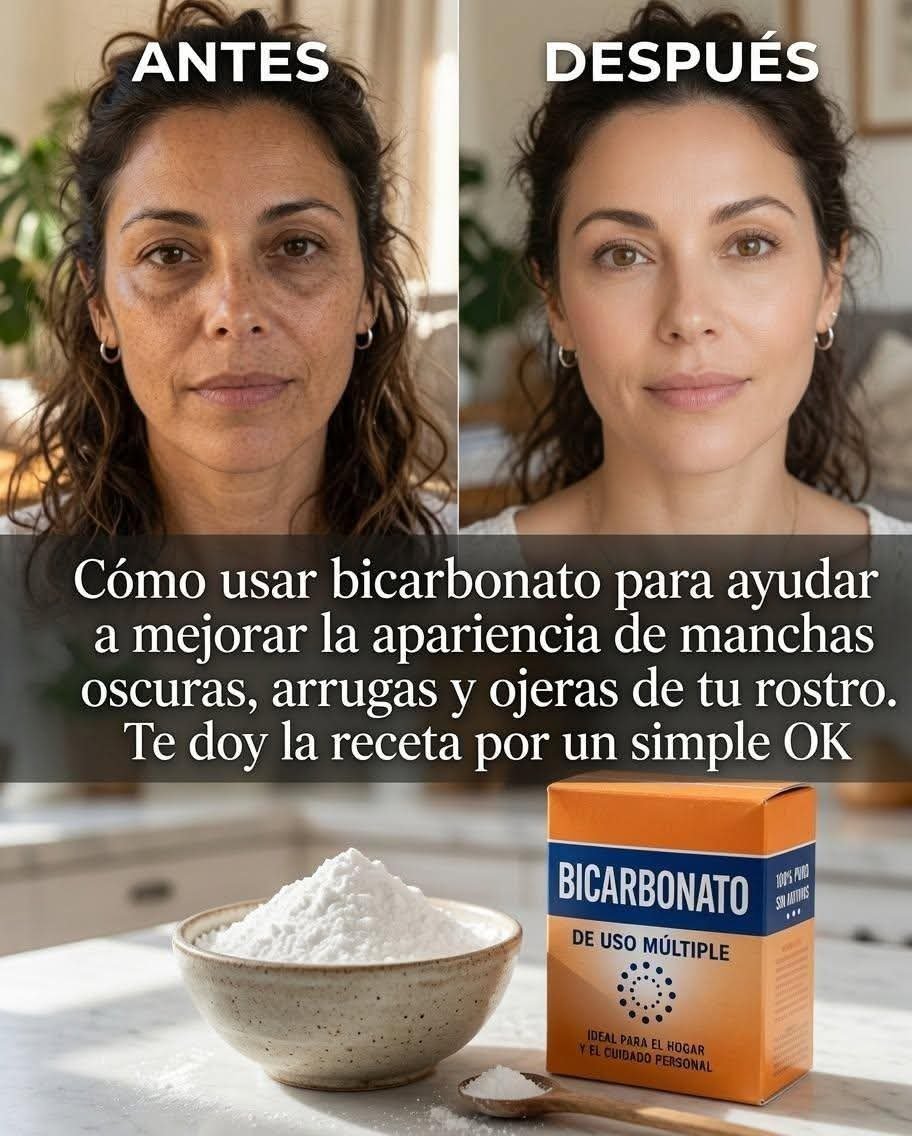
Baking Soda for Skin: Myths, Risks, and Scientific Facts
In the vast landscape of beauty and skincare, the allure of a simple, affordable fix is undeniably powerful. From ancient rituals to modern internet hacks, household ingredients have long been championed as secret weapons against common skin woes. Among these, baking soda stands out as a pervasive darling of the DIY beauty world, frequently touted as a miracle cure for everything from pesky dark spots and stubborn fine lines to tired undereye circles.
The promise is tempting: transform your complexion with a humble box from your pantry. But does this kitchen staple truly hold the key to radiant, blemish-free skin, or are these claims simply enticing myths that carry significant risks? This article aims to cut through the noise, providing an evidence-based perspective on the use of baking soda in skincare, distinguishing scientific fact from internet fiction.
Disclaimer: This content is for informational purposes only and does not substitute professional dermatological or medical advice. Always consult a qualified healthcare professional before making any decisions about your skin health or treatment.
Baking Soda Decoded: What It Is and Its Traditional Roles
Before diving into its purported skincare applications, it’s essential to understand what baking soda actually is. Chemically speaking, baking soda is known as sodium bicarbonate (NaHCO₃). It’s a white, fine crystalline powder with a distinctive texture and properties.
In its traditional and scientifically supported roles, baking soda is a versatile workhorse around the home. It’s most famously recognized as a leavening agent in baking, reacting with acids to produce carbon dioxide, which makes cakes and breads rise. Beyond the kitchen, it shines as a gentle abrasive cleaner for various surfaces, effectively scrubbing away grime without harsh chemicals. Its impressive ability to neutralize odors makes it a popular choice for fridges, carpets, and laundry. Less commonly, it finds its way into some oral hygiene products, where its mild abrasive quality helps polish teeth and its acid-neutralizing capacity can combat bad breath.
The Rise of Baking Soda in DIY Skincare: Understanding the Appeal
The journey of baking soda from a kitchen essential to a purported beauty aid began, for many, on the internet. As social media and beauty blogs proliferated, so did the sharing of “natural” and “cost-effective” skincare remedies. Baking soda, with its fine texture and perceived neutralizing properties, quickly gained traction.