
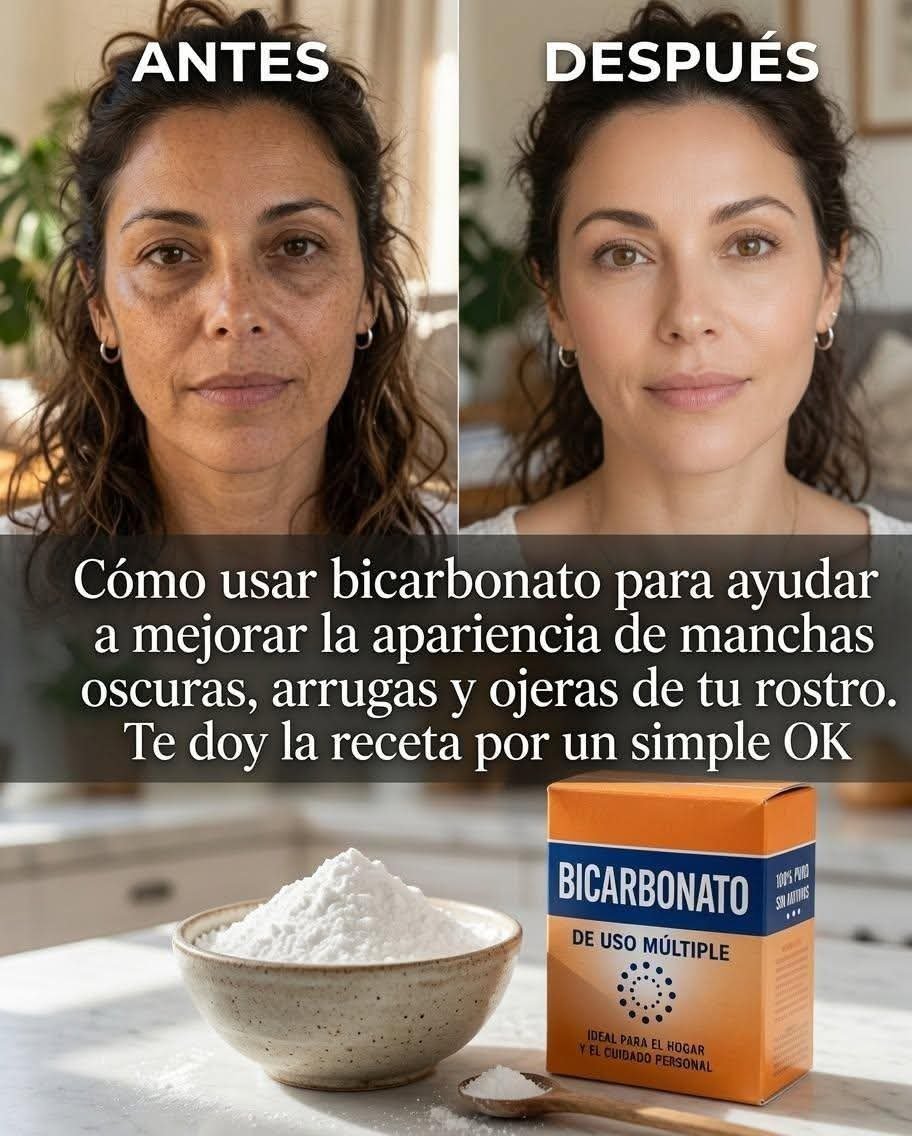
Baking Soda for Skin: Myths, Risks, and Scientific Facts
Its perceived benefits, often circulated through anecdotal testimonials rather than scientific studies, became the driving force behind its widespread use. Advocates claimed its granular texture offered ‘gentle exfoliation,’ while its ability to neutralize acids was misinterpreted as beneficial for various skin issues.
Specifically, the internet is rife with claims that baking soda can:
- Reduce the appearance of dark spots and hyperpigmentation: Believed to lighten discolored areas, leading to a more even skin tone.
- Smooth away fine lines and wrinkles: Presented as an anti-aging solution that can restore a youthful complexion.
- Diminish the puffiness and discoloration of undereye circles: Suggested as a quick fix for tired-looking eyes.
- Treat acne or blemishes: Due to its ‘drying’ effects, some believe it can clear breakouts and prevent new ones.
The primary reasons for its widespread adoption in DIY routines are clear: its accessibility and incredibly low cost make it an attractive option for those seeking solutions without breaking the bank. Furthermore, its common household presence often leads to the perception that it is ‘natural’ or ‘harmless,’ assumptions that, unfortunately, do not hold true for delicate facial skin.
Beyond Anecdotes: What Science Says About Baking Soda for Skin Concerns
While the internet abounds with personal success stories, it’s crucial to examine these claims through a scientific lens. The truth, as often is the case, is far less glamorous than the hype.
Debunking Dark Spot Claims
Despite numerous online tutorials, there is a resounding lack of robust scientific evidence supporting baking soda’s efficacy in fading hyperpigmentation or dark spots. Hyperpigmentation, whether from sun exposure, post-inflammatory marks, or hormonal changes, involves complex cellular processes deep within the skin. Addressing it effectively requires targeted ingredients that influence melanin production and skin cell turnover, such as retinoids, hydroquinone, Vitamin C, or alpha hydroxy acids (AHAs), all applied under professional guidance. Baking soda simply does not possess these capabilities.
Analyzing Anti-Aging and Wrinkle Reduction
The notion that baking soda can reduce wrinkles, reverse skin aging, or stimulate collagen production is entirely unfounded by credible research. Skin aging is a multifaceted process involving collagen breakdown, elastin degradation, and cellular damage. Clinically proven anti-aging ingredients like retinoids (Vitamin A derivatives), antioxidants (e.g., Vitamin C, Vitamin E), and peptides work through specific biochemical pathways to mitigate these effects. Baking soda, by contrast, offers no such mechanism of action for cellular repair or rejuvenation.