Baking Soda for Skin: Myths, Risks, and Scientific Facts
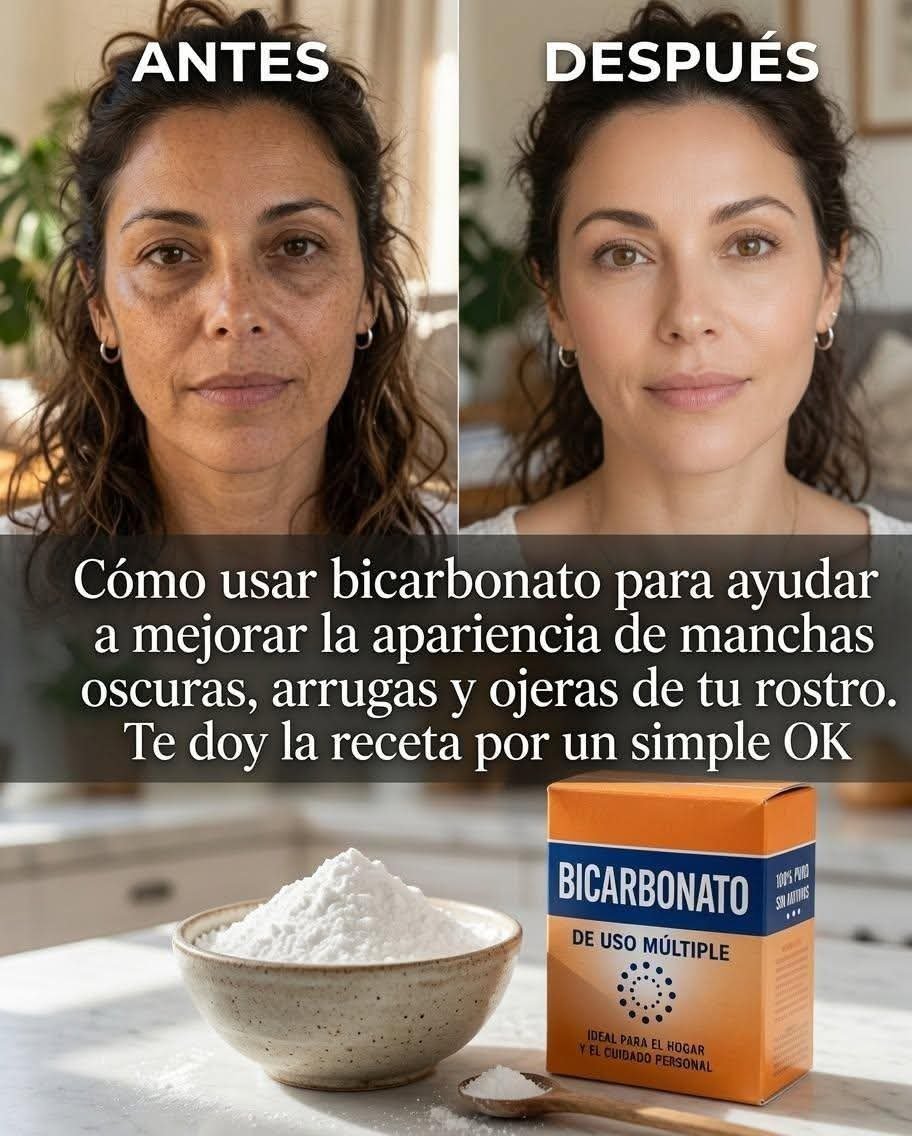
Dark circles under the eyes are notoriously tricky and can stem from various underlying causes, including genetics, thin skin revealing underlying blood vessels, sleep deprivation, allergies, or even anatomical shadows. There is absolutely no scientific basis whatsoever for baking soda being an effective treatment for any of these complex undereye concerns. Applying an irritant like baking soda to the delicate undereye area is far more likely to cause inflammation and dryness, potentially worsening the appearance of circles or creating new problems.
The Truth About Exfoliation
Baking soda does have an abrasive texture, which is why it’s used for scrubbing household surfaces. However, this is precisely why it is unsuitable as a controlled facial exfoliant. Its granules are irregular and sharp at a microscopic level, making it highly irritating. Unlike purpose-formulated physical scrubs that use uniformly spherical beads, or chemical exfoliants that gently dissolve dead skin cells, baking soda’s harshness can create micro-tears in the skin, leading to damage rather than smooth exfoliation.
Navigating the Risks: Why Baking Soda Can Harm Your Skin
While the lack of benefits is disappointing, the potential for harm is a far more serious concern when it comes to using baking soda on your skin.
Disrupting the Skin’s Natural Barrier
The single most critical reason to avoid baking soda on your face lies in its impact on the skin’s natural barrier, often referred to as the acid mantle. Healthy skin maintains a slightly acidic pH, typically ranging from 4.5 to 5.5. This delicate acidity is crucial for the skin’s protective function, keeping out harmful bacteria, environmental pollutants, and irritants, while simultaneously locking in essential moisture. It’s a finely tuned defense mechanism.
Baking soda, however, is highly alkaline, with a pH of approximately 8 to 9. Applying such an alkaline substance to the skin severely disrupts this crucial acidic balance. When the acid mantle is compromised, it immediately weakens the skin’s defense system. This makes your skin more vulnerable to bacterial infections, increases moisture loss leading to dryness, and leaves it susceptible to irritation and inflammation from even mild external factors.
Common Adverse Reactions
The consequences of disrupting the skin barrier with baking soda are numerous and frequently reported: