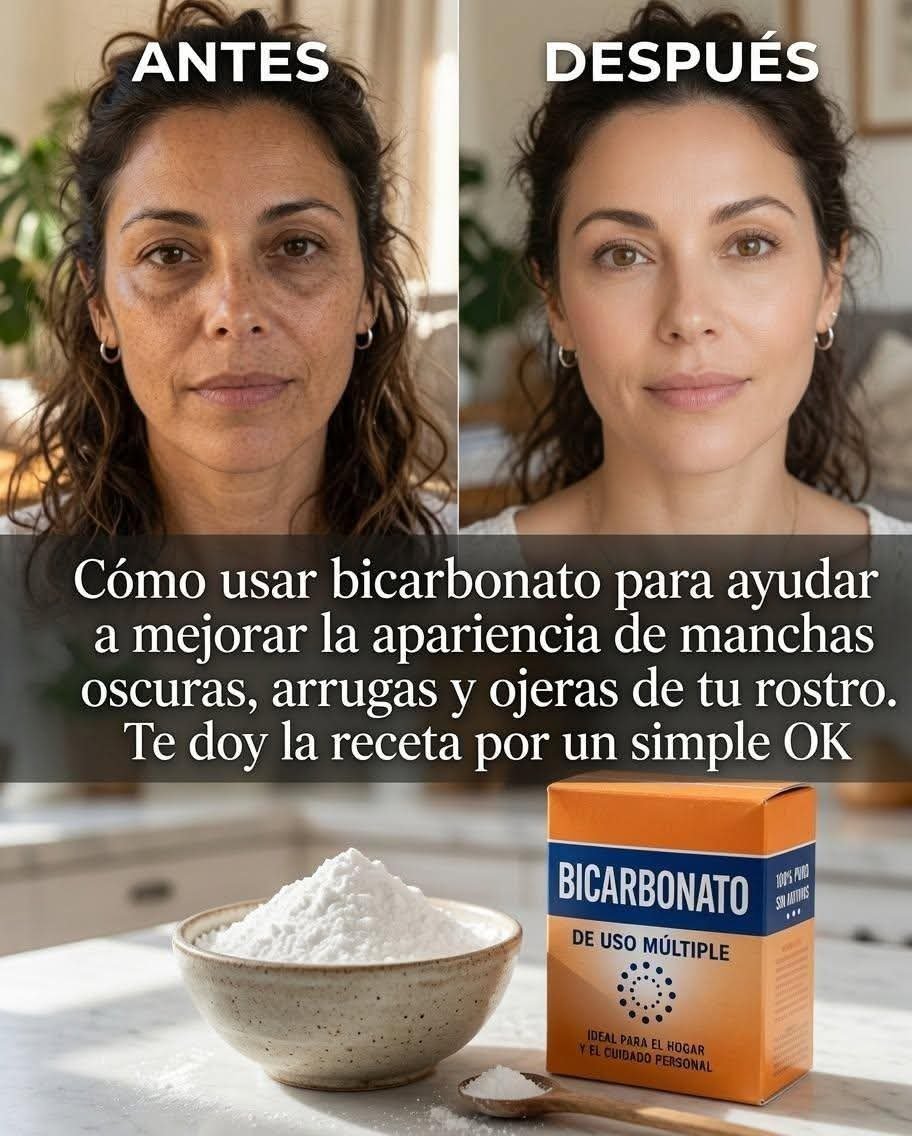
Baking Soda for Skin: Myths, Risks, and Scientific Facts
- Skin irritation, redness, and inflammation: The immediate visible signs of your skin reacting negatively.
- A burning or stinging sensation: A clear signal that your skin is being stripped and damaged.
- Excessive dryness, flakiness, and tightness: Due to increased transepidermal water loss.
- Increased sensitivity: Your skin may become reactive to other products, environmental factors, or sun exposure.
- Potential worsening of existing skin conditions: For individuals with acne, rosacea, eczema, or psoriasis, baking soda can trigger severe flare-ups and exacerbate symptoms.
The Vulnerability of Facial Skin
It is important to emphasize that the skin on the face is thinner, more delicate, and has a higher density of oil glands and nerve endings compared to other body parts. This makes it particularly susceptible to irritation and damage from harsh ingredients like baking soda. What might be tolerable on, say, the soles of your feet, can wreak havoc on your sensitive facial complexion.
Essential Precautions for Any DIY Skin Experiment
While the consensus among dermatologists strongly advises against using baking soda on the face, if you ever choose to experiment with any DIY ingredient, certain precautions are non-negotiable.
The Absolute Necessity of a Patch Test
A patch test is your skin’s first line of defense against adverse reactions. Before applying any new ingredient to your entire face, always perform a patch test:
- Choose a small, inconspicuous area of skin, such as behind your ear or on the inner forearm.
- Apply a tiny amount of the product or ingredient to this spot.
- Leave it on for the intended duration or as long as advised.
- Wait 24 to 48 hours to observe for any signs of adverse reactions. Look out for redness, itching, swelling, stinging, burning, or any other discomfort.
- If you experience any negative reaction, immediately rinse off the product and discontinue use.
Situations Where Baking Soda Is a Definite No
Under no circumstances should baking soda be applied to:
- Broken, wounded, or irritated skin.
- Skin affected by active rashes, eczema, rosacea, or psoriasis.
- Sensitive areas, especially around the eyes, lips, or mucous membranes.
Furthermore, individuals with inherently sensitive skin or pre-existing inflammatory skin conditions should avoid baking soda entirely, as their skin barrier is often already compromised and highly reactive.
Dermatologist-Approved Strategies for Truly Healthy Skin
Instead of risking your skin health with unproven DIY remedies, focus on established, evidence-based practices that dermatologists consistently recommend.